
GFS SADDLES EXPLAIN Winter Saddle Care
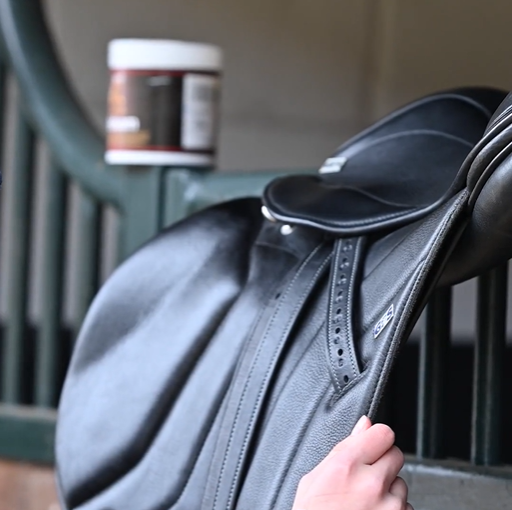
Winter Saddle Care Preparing and Protecting Your Tack
Wet rides, muddy arenas and damp tack rooms can make winter care feel like another job on an already busy yard. But a regular routine can help keep your saddle and leather accessories in good condition throughout the colder months.
Whether you’re schooling, hacking or enjoying a quieter winter with your horse, taking time to prepare, clean and inspect your equipment is an important part of looking after it.
Prepare your tack before winter arrives
With your tack more likely to get wet or damp during winter, preparation is just as important as regular cleaning. Before the wetter weather sets in, give your saddle and leather accessories a thorough clean, check their condition and apply our recommended cleaning and leather care products from NAF.
Keeping leather appropriately conditioned helps maintain its suppleness and protection, and can help reduce the risk of moisture-related damage, including blistering and staining. Pay particular attention to exposed surfaces and areas of regular wear.
Conditioning does not make leather waterproof, so continue to remove excess moisture after wet rides and allow tack to dry naturally before storing it.
Clear away mud and sweat
After riding, check your saddle for dirt, sweat and surface moisture. Gently wipe away debris with a soft, damp cloth or sponge, paying attention beneath the flaps and around areas where dirt collects. Avoid soaking the leather.
For your GFS leather saddle, follow our care guidance: clean with glycerine saddle soap and use the NAF Luxe leather care range. Do not use spray cleaners or products intended for household furniture or car interiors.
Let wet tack dry naturally
If you’ve been caught in the rain, gently remove excess surface moisture with a soft cloth and allow your saddle to dry naturally. Avoid trying to speed up the process with a radiator, heater or hairdryer.
Remove damp saddle pads and girths rather than leaving them against the saddle. Allow the leather to dry before conditioning it, and make sure your saddle cover is dry before replacing it.
Make conditioning part of your routine
Cleaning and conditioning have different jobs. Cleaning removes dirt, while an appropriate leather dressing helps maintain suppleness and protection.
For ongoing care, GFS recommends lightly dressing the saddle with NAF Luxe balsam after its weekly clean, paying particular attention to areas exposed to friction and wear.
Follow the care instructions for your saddle and the application directions on your chosen product. Regular, appropriate care is more useful than waiting until the leather looks dry and then applying a large amount of conditioner.
Give leather accessories the same attention
Bridles, reins, girths, stirrup leathers and breastplates deserve a place in your winter care routine too. They can collect mud and sweat in places that are easy to overlook, particularly around buckles, keepers, folds and the surfaces nearest your horse.
Clean each item according to its care instructions. Take the opportunity to inspect stitching, buckle holes, fastenings and areas of repeated bending or rubbing.
If you find damaged stitching, cracking or a fastening you’re concerned about, stop using the affected item and ask a qualified saddler to assess it. Cleaning is a useful opportunity to spot wear before your next ride.
Think about storage
Choose a dry, ventilated storage space away from direct heat and sunlight. Check stored tack regularly, even if you’re riding less often and maintain a regular care routine even if you tack is having little use.
A saddle cover helps protect your saddle between uses, but it should go onto dry tack. Keep pads and other damp equipment separate so they can dry properly.
If your horse is having a winter break, continue checking and caring for your equipment rather than leaving it untouched until spring.
Remember fit as well as condition
Winter can bring changes in workload, turnout and body condition. Your saddle may be beautifully maintained, but its fit still needs reviewing as your horse changes shape.
Keep in touch with your saddle fitter, particularly if you notice changes in how the saddle sits, how you feel in it or your horse’s comfort during ridden work.
A little care, regularly
Preparing your tack before the wet weather arrives gives you a good foundation for winter. Removing dirt, allowing equipment to dry naturally, following the correct conditioning routine and checking for wear will help you care for the equipment you rely on.
